

SAFE FIREFIGHTER international training in the Czech Republic
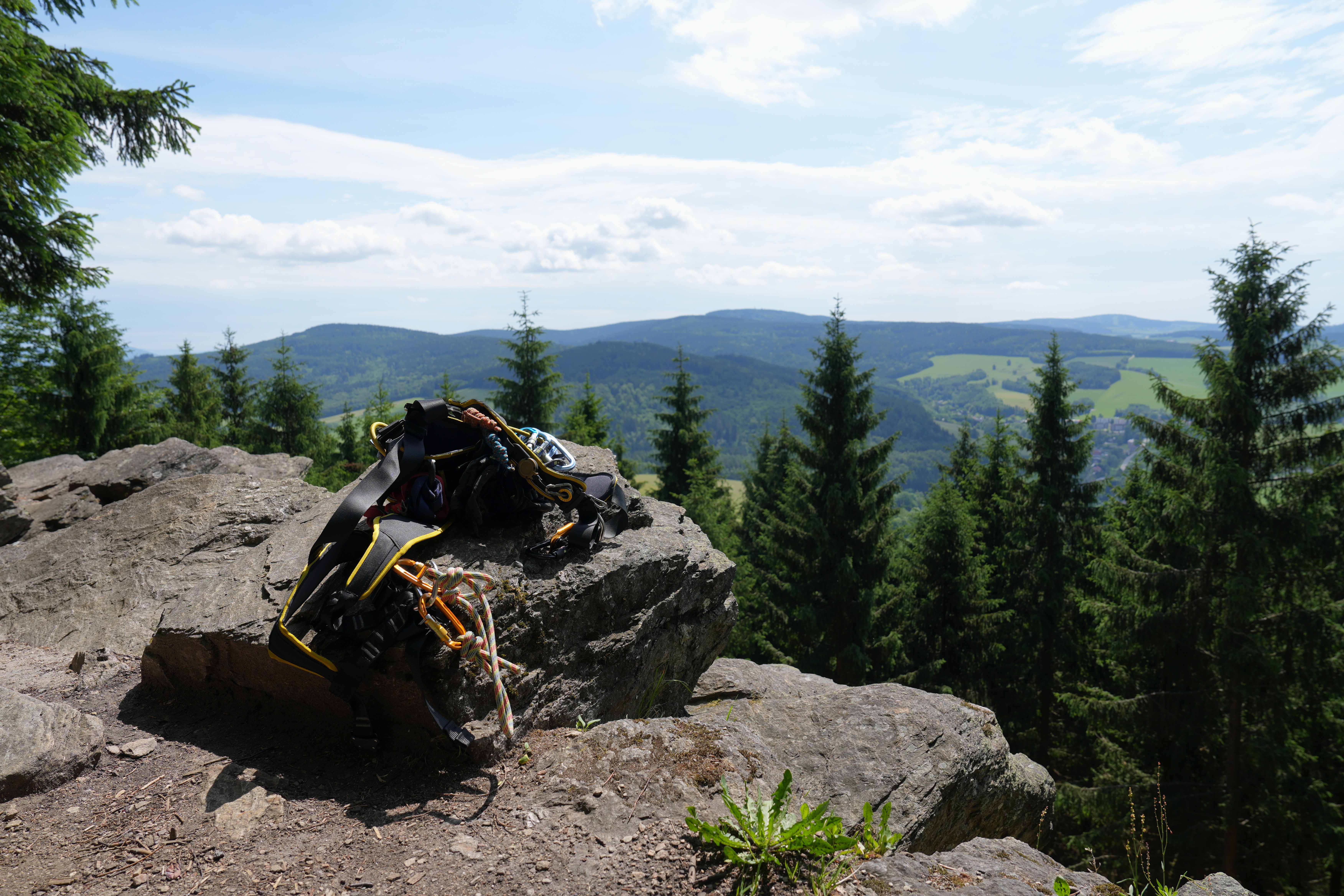
From June 8th to 13th of this year, the first practical staff training, "Rescue from the Heights (Summer Season)", took place in the Czech Republic. This intensive training was organized as part of the Erasmus+ project No. 2025-1-CZ01-KA220-VET-000353523, titled "What does it take to become a safe firefighter?".
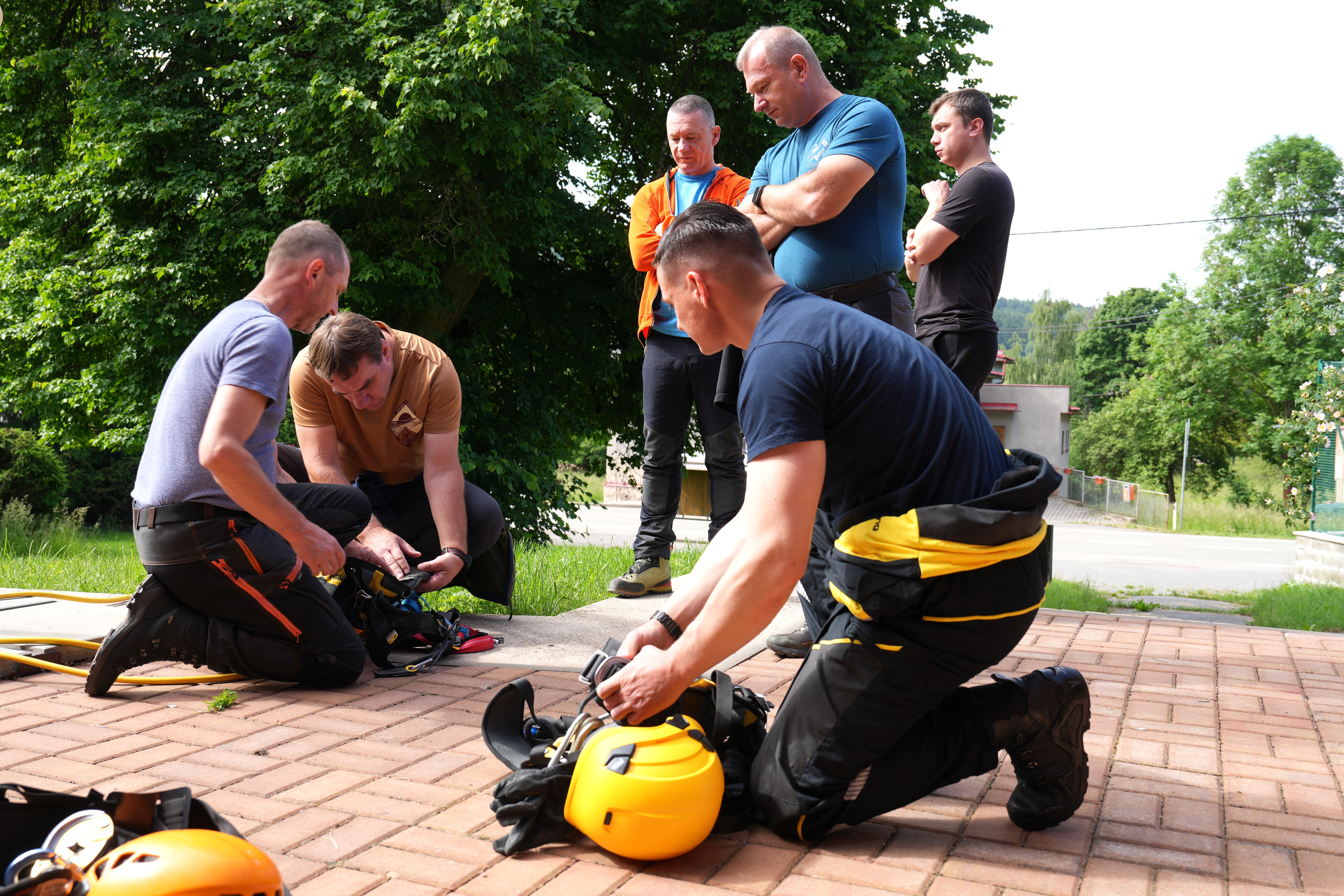
The team from the Firefighter Training School, alongside their foreign colleagues, spent the entire week improving their tactical and practical knowledge, adopting the best practices from European countries. The training was hosted and organized by the project partners – the Secondary School of Chemistry Pardubice (Czech Republic).
The Republic of Lithuania and our school were represented at the training by Miglė Povilaitytė, Rafal Tankovič, and Gytis Stankevičius, Chief Specialists of the Practical Training Division, alongside Agata Kurlovič, Chief Specialist of the Training Division. These professionals worked shoulder to shoulder to complete demanding tasks.
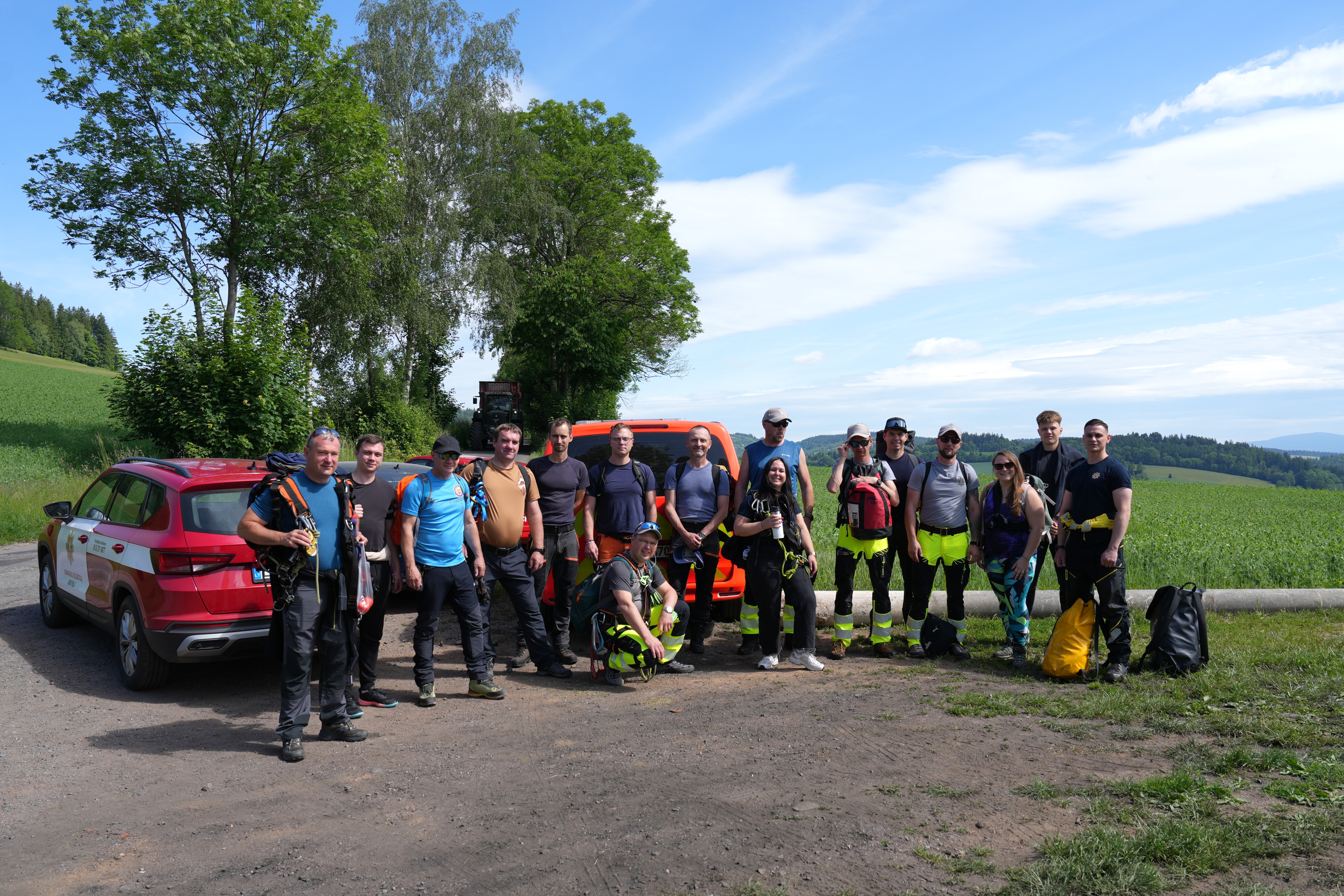
The exercises also included representatives from partner institutions:
- The Faculty of Security Engineering at the University of Žilina (Slovakia),
- The State Fire and Rescue Service (Latvia),
- Instructors from the host institution, the Secondary School of Chemistry Pardubice (Czech Republic).
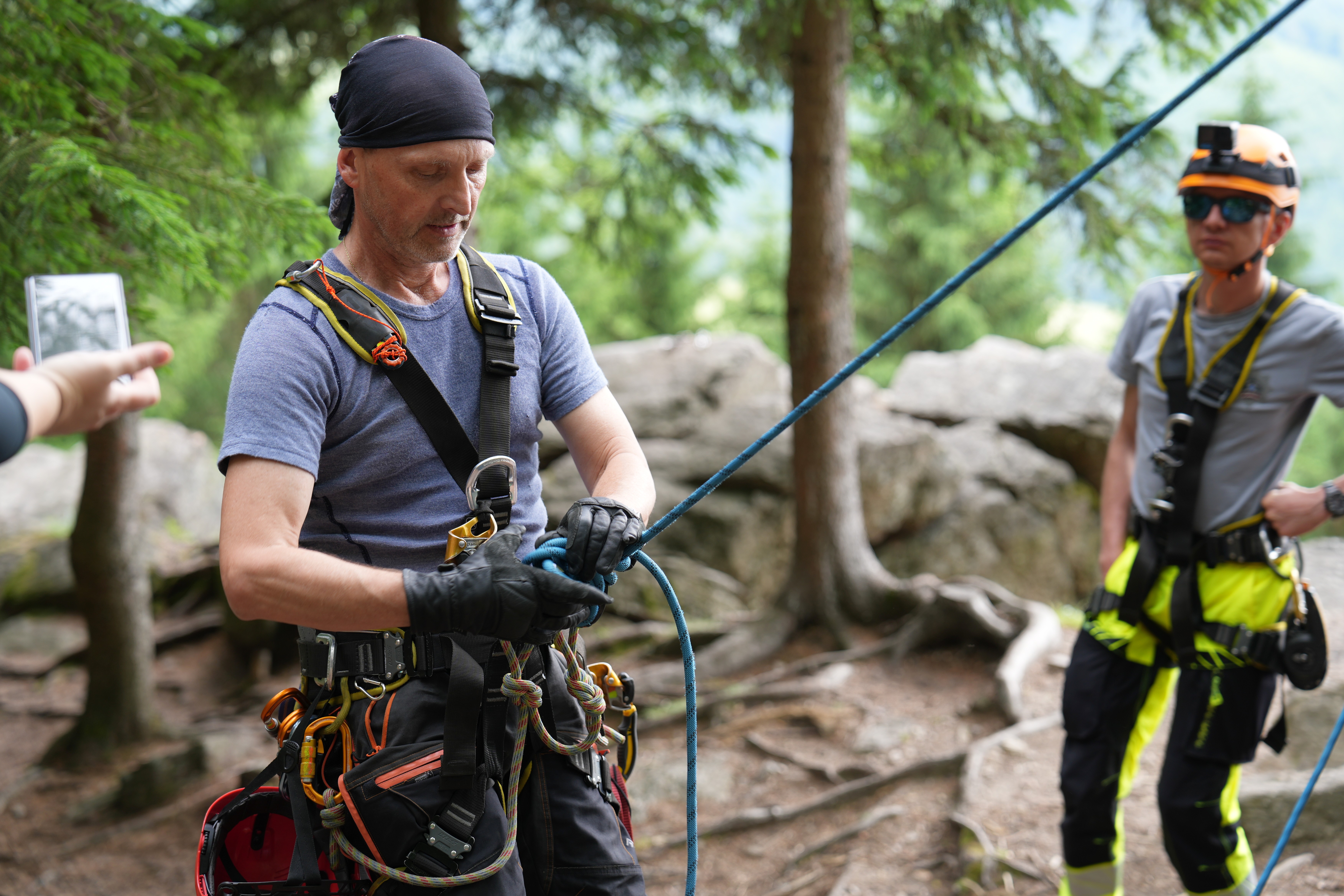
The training week was thoroughly planned, presenting increasingly difficult challenges for the participants each day.
- June 8 (Monday): The Lithuanian team successfully arrived in the Czech Republic, fully prepared for intensive work.
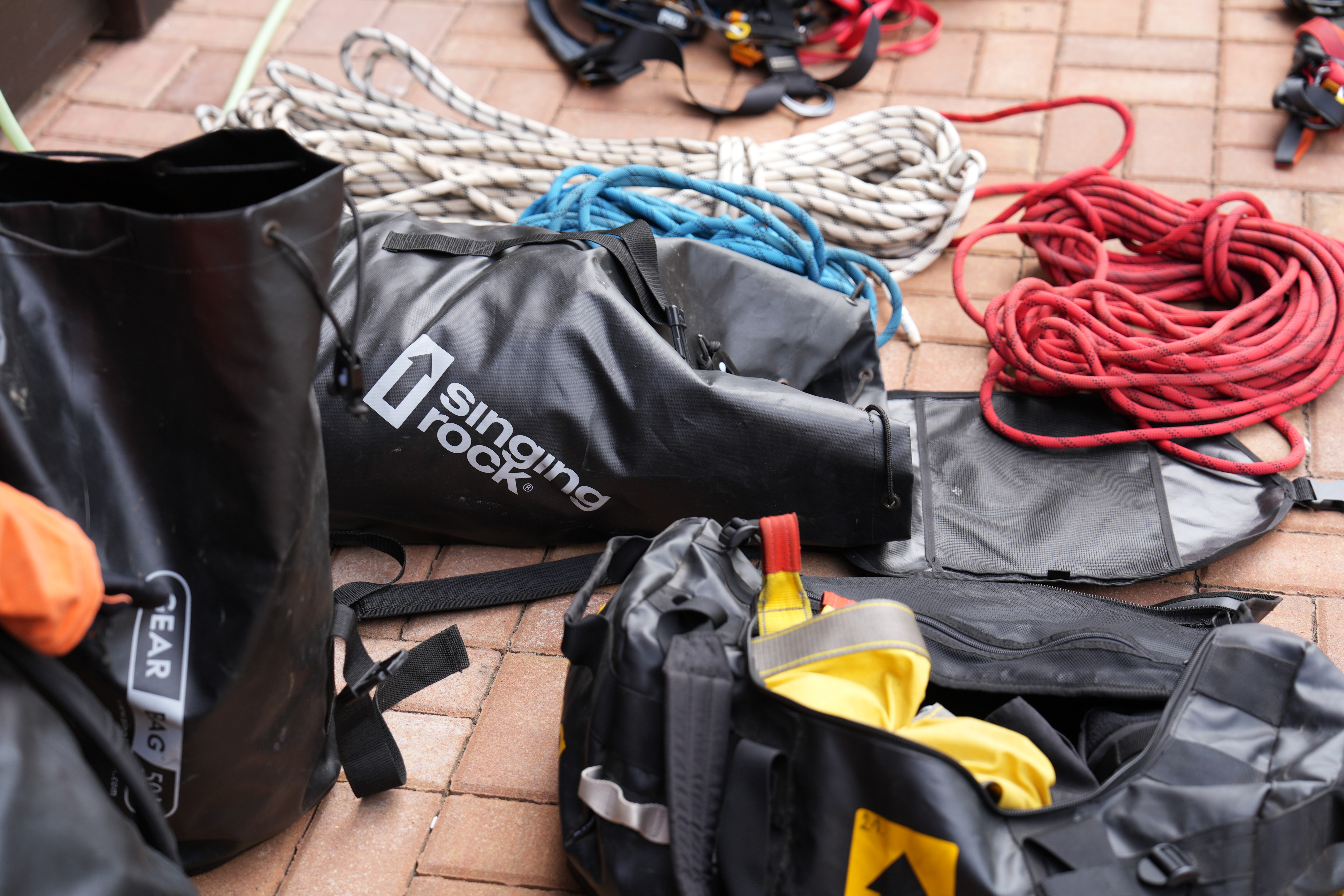
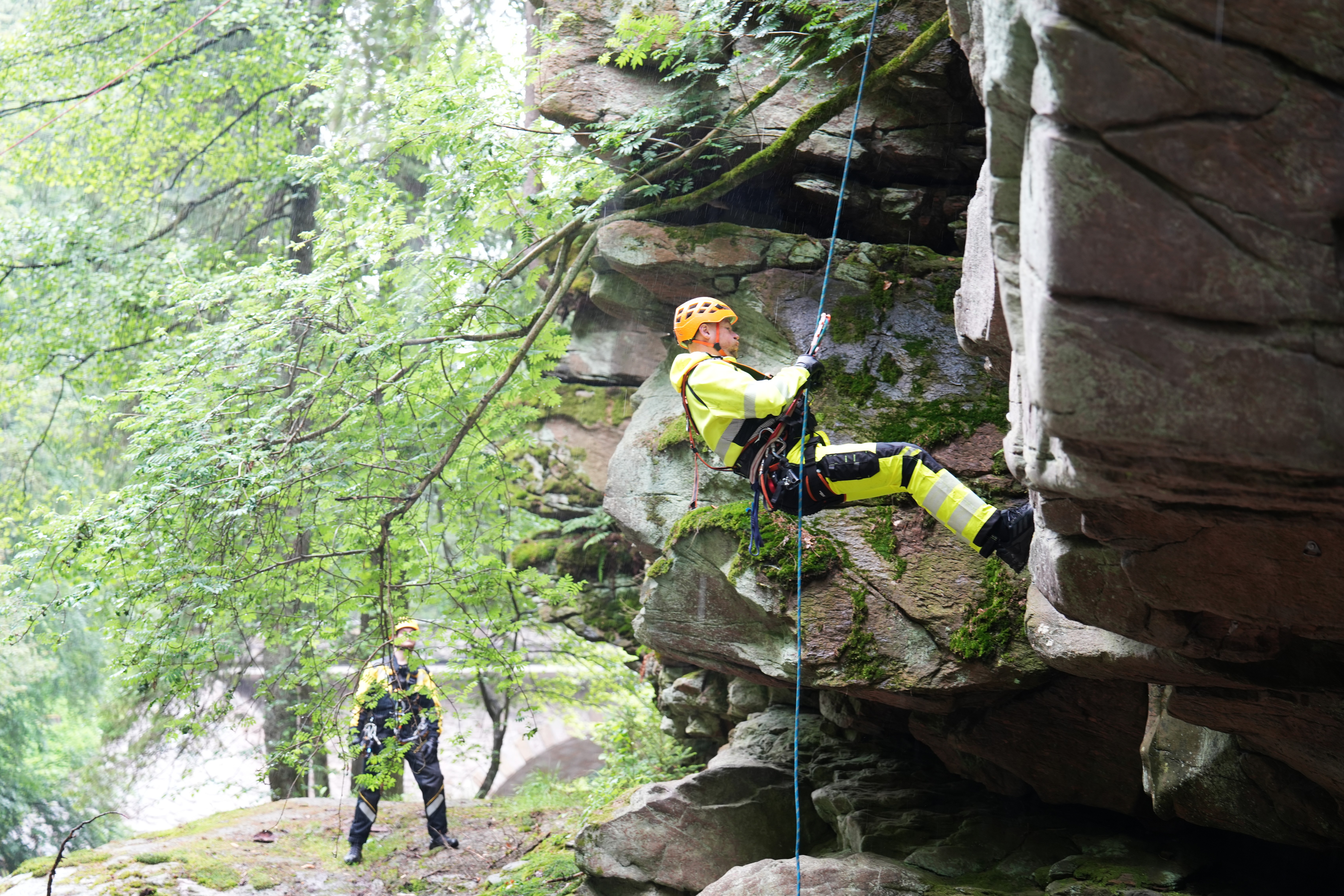
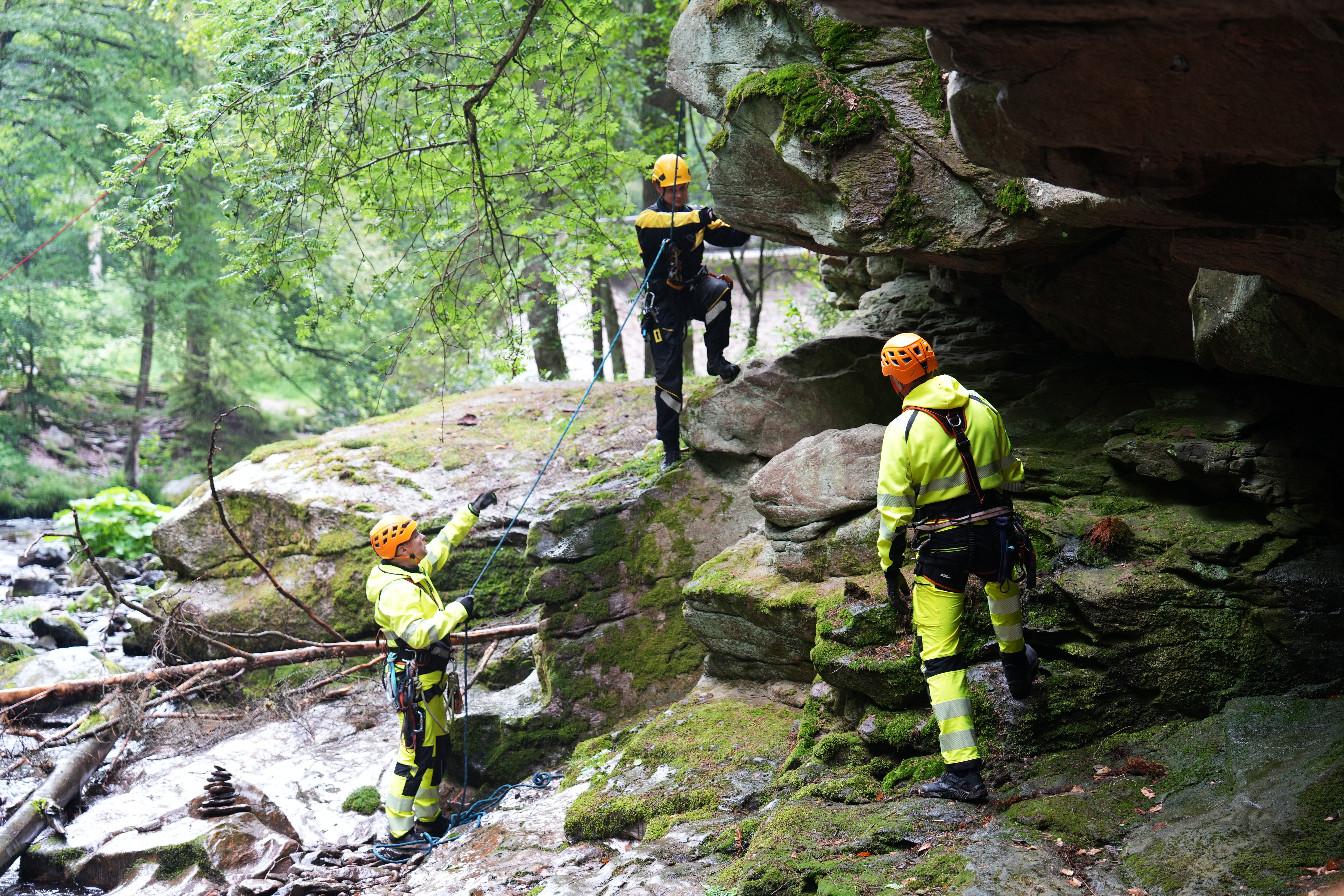
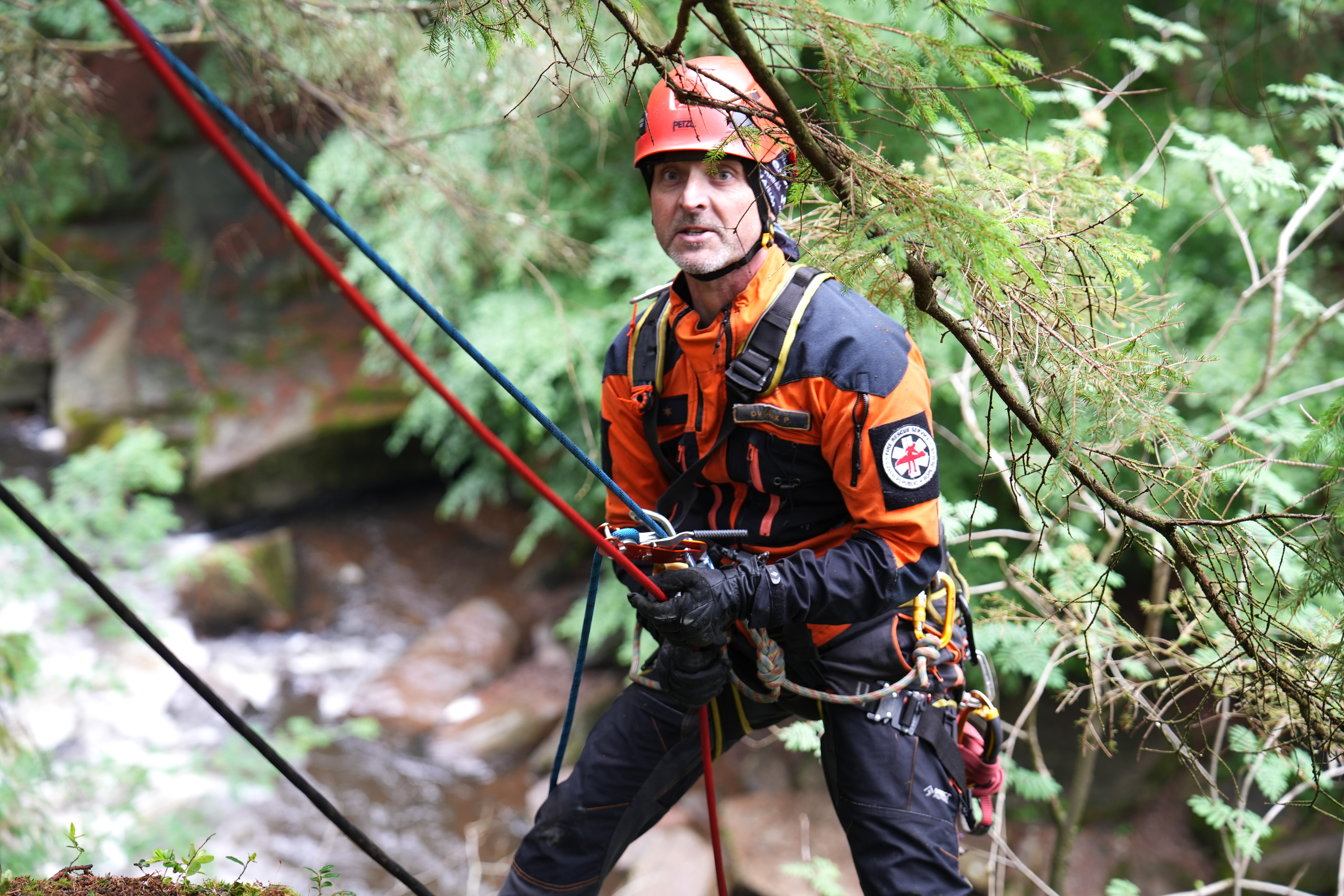
- June 9 (Tuesday): The day began with basic preparation work and an analysis of safe equipment operation. The main focus was on the theoretical and practical mastery of the Single Rope Technique (SRT). Our specialists carried out individual climbing and high-angle rescue tasks. Colleagues from the Czech Republic introduced the safety standards and specialized equipment used in their country. Participants performed a comparative analysis of the rescue and climbing procedures applied by different partner countries and tested the Czech SRT methodology under real conditions.
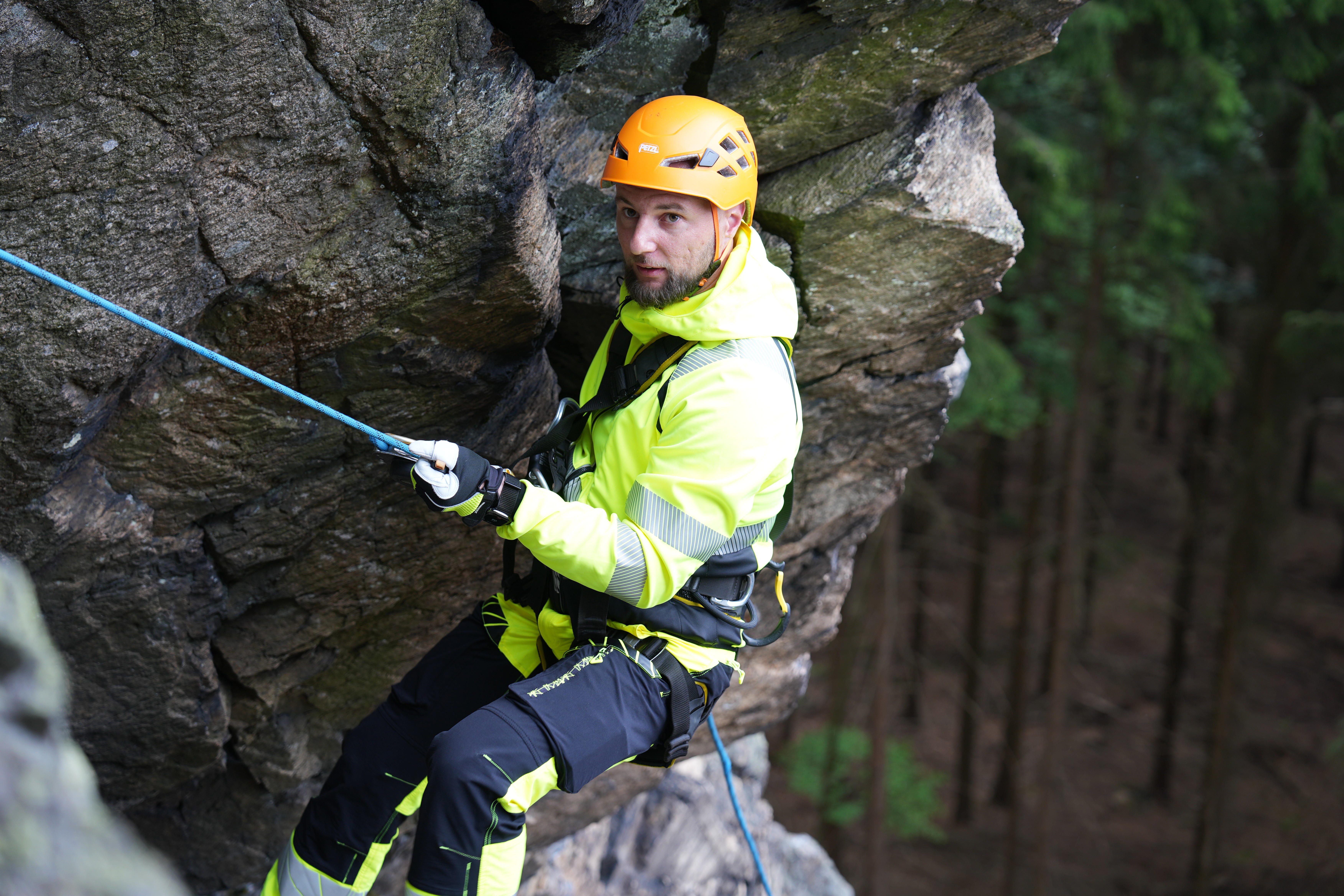
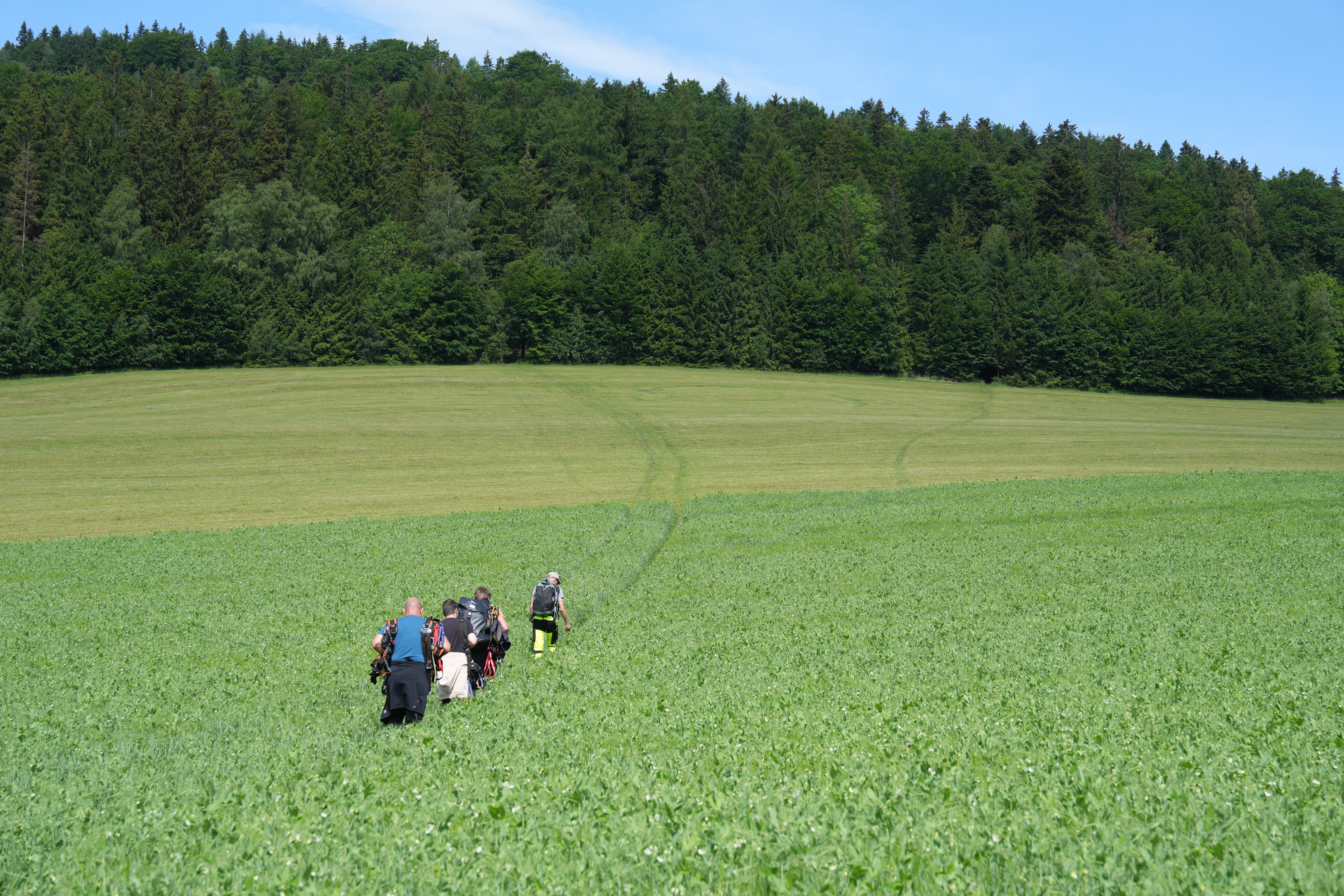
- June 10 (Wednesday): The training moved to a mountainous area. After assessing the natural terrain and safety risks, participants performed individual victim rescue operations in static mode (climbing procedures for individual rescue, static mode). Each member of the Lithuanian team personally tested climbing, lifting, and lowering algorithms, simulating situations that required rapid decision-making.
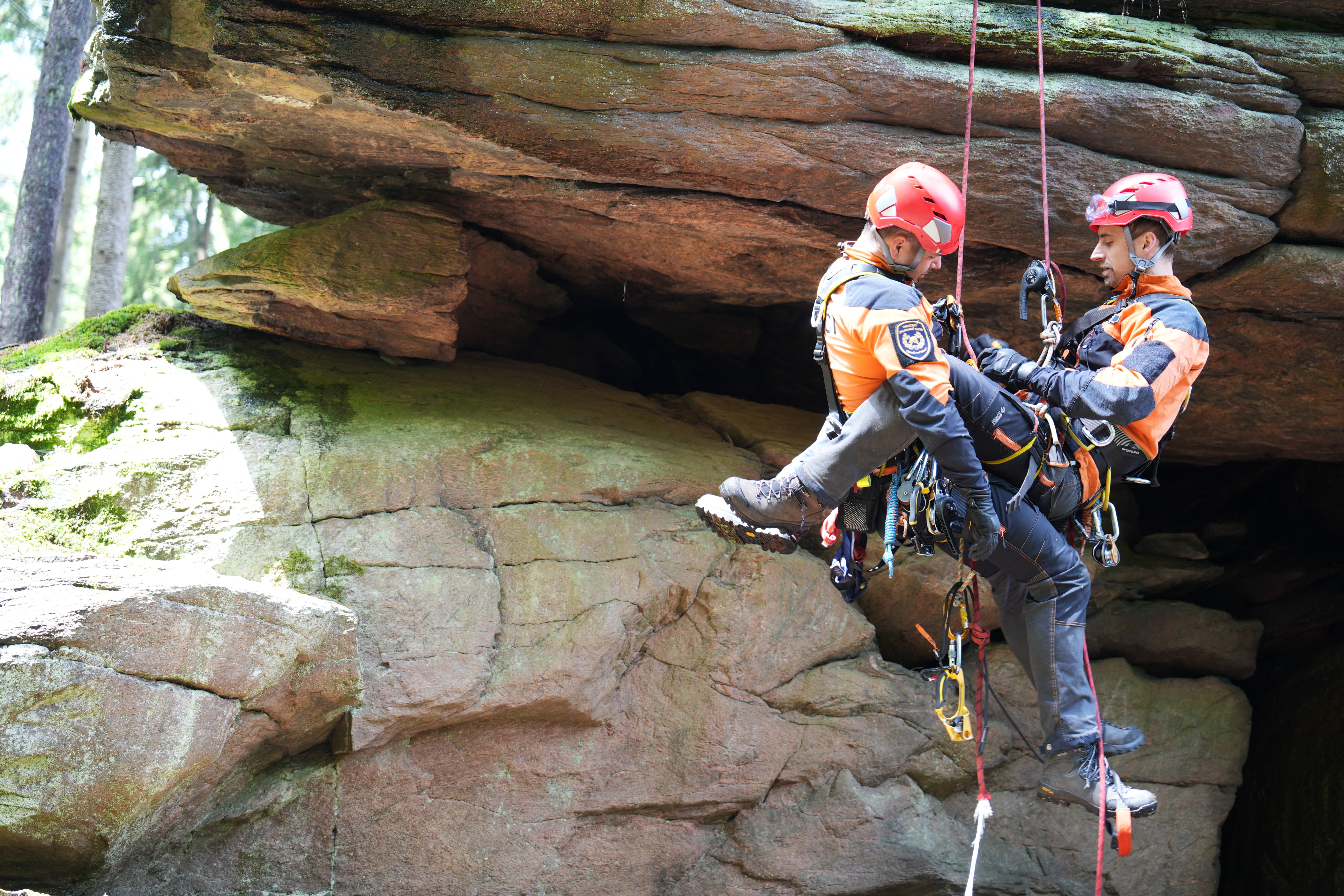
- June 11 (Thursday): The exercises reached their peak as the team transitioned to complex operations at high altitudes. The firefighters worked in joint international teams to execute joint rescues in dynamic mode (climbing procedures for joint rescue, dynamic mode). This required flawless communication and the ability to manage multi-component rope systems. The tasks were timed to simulate real incidents where the victim's position requires constant adjustments to the rescue systems during the operation itself.
- June 12 (Friday): On the final day of the training, participants focused on summarizing their acquired knowledge and reflecting on the experience. Discussions centered around the core question of the project: "What does it take to become a safe firefighter?". The experts reached a unanimous conclusion: safety depends not only on the quality of technical equipment but also on continuous situational awareness, strong psychological readiness, and strict adherence to procedures.
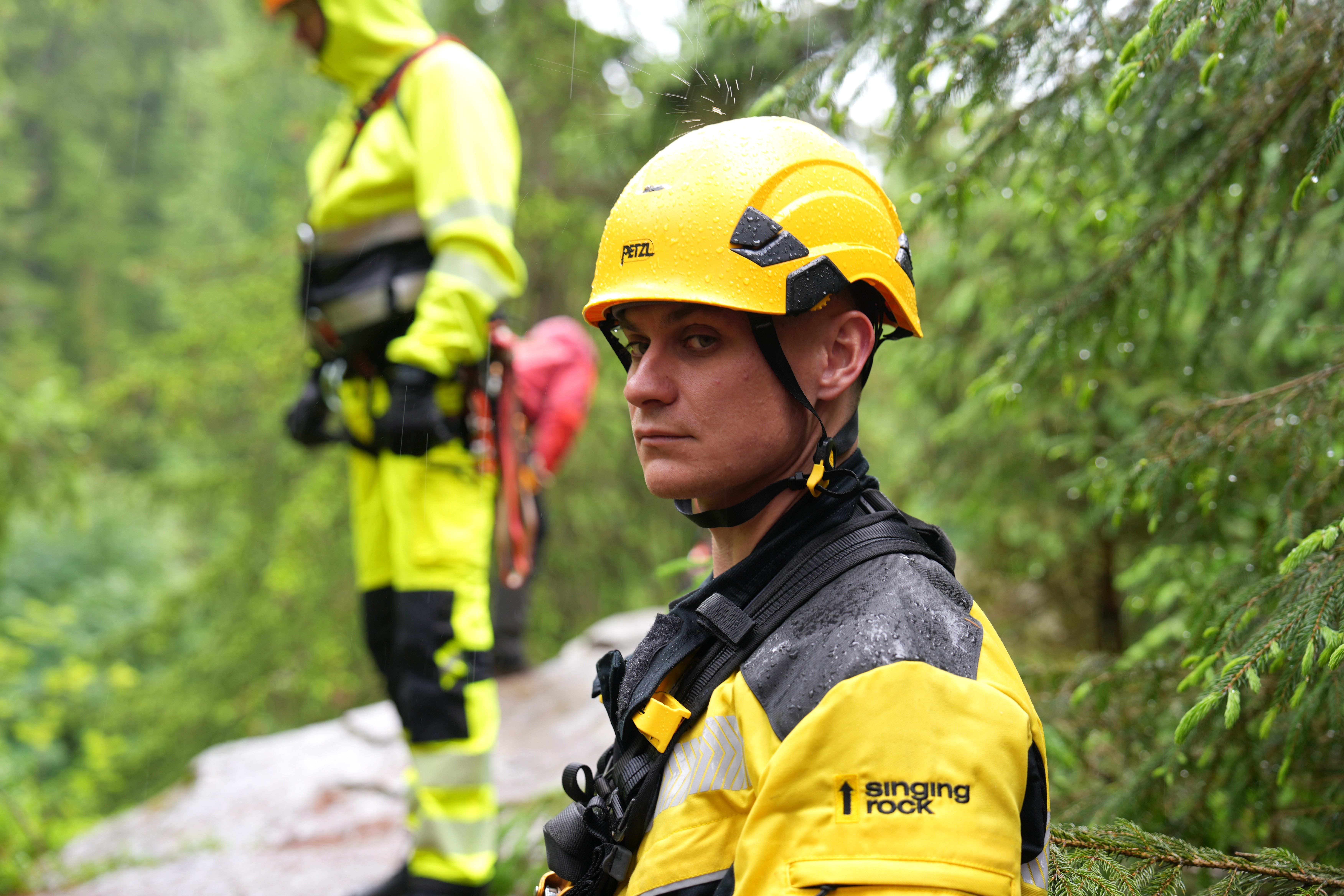
To ensure project dissemination and visibility, video material was filmed. Our institution's representative, Rafal Tankovič, gave an interview highlighting how the acquired experience and specific Czech methodologies can be applied within Lithuanian fire and rescue services, as well as in training future officers.
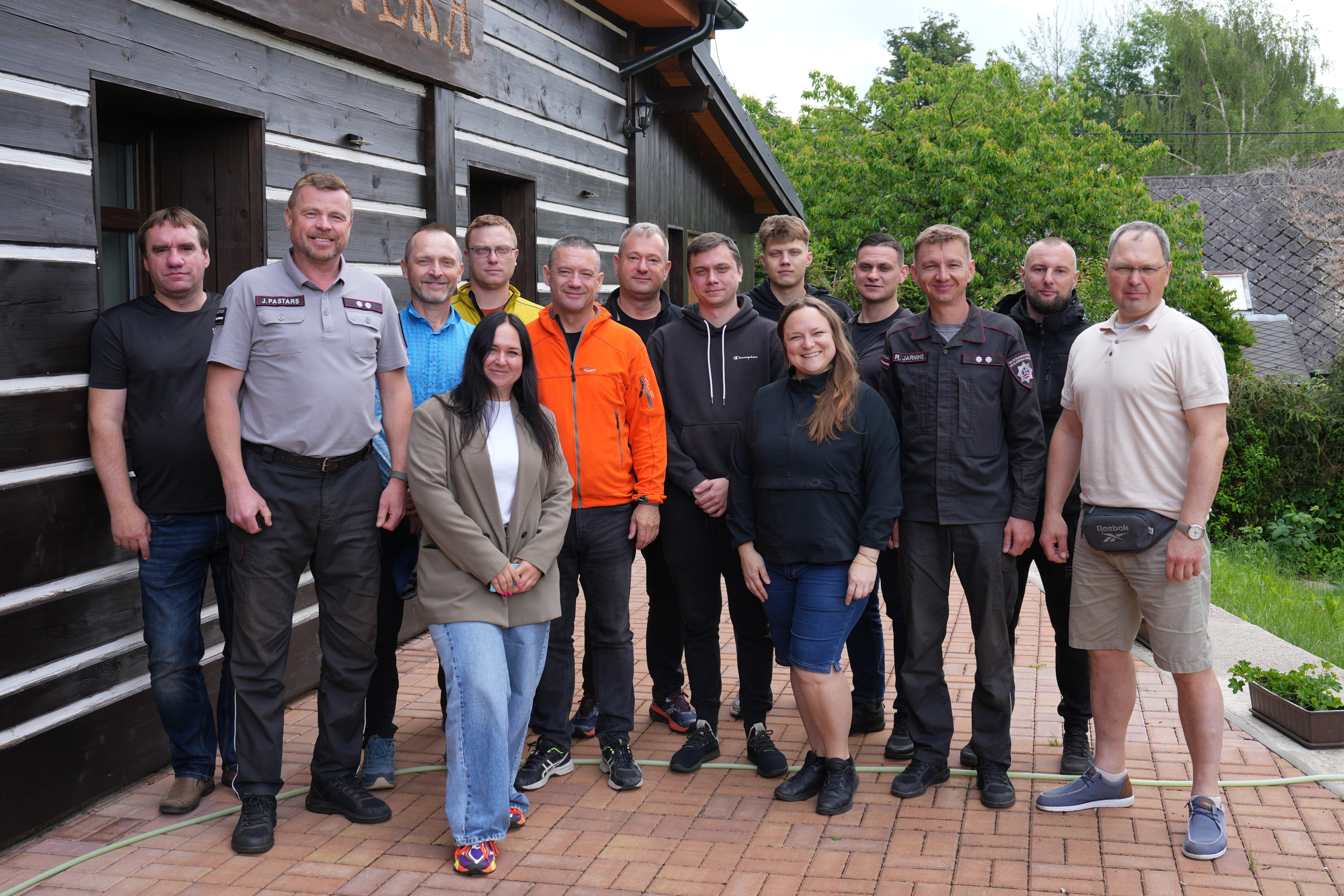
At the end of the training, international certificates confirming the successful completion of the program were presented to all Lithuanian team members: Agata Kurlovič, Miglė Povilaitytė, Rafal Tankovič, and Gytis Stankevičius.
The connections established with Czech, Slovak, and Latvian colleagues during the training will serve as a foundation for future best practice exchanges. This experience will be directly integrated into the final methodological materials of the "Safe Firefighter" project. The Fire and Rescue School will consistently continue its project activities, ensuring that the most advanced high-angle rescue techniques reach Lithuanian firefighters.
Would you like to know how firefighters across Europe learn to manage extreme situations and ensure maximum safety during incidents? We invite you to follow and actively share the official "Safe Firefighter" social media accounts!
Here you will regularly find the most up-to-date information on the project's progress, exclusive behind-the-scenes footage and videos from international exercises, valuable expert advice, and methodological insights. Your support, shares, and engagement help this important safety message reach a broader audience of professionals and the general public. Follow our updates and let’s build a safer future together!
Social Media Links:
Website: https://erasmussafefirefighter.eu/
Facebook: https://www.facebook.com/profile.php?id=61570681010675
Instagram: https://www.instagram.com/safefirefighter/
Youtube: https://www.youtube.com/@ErasmusSafeFirefighter
Spotify: https://open.spotify.com/user/31en2xbxfqhxn4ibhogufvhwi3fa
LinkedIn: https://www.linkedin.com/in/safe-firefighter-814467403/